AI: How I Have Adapted
AI and My Writing
I am a very bad writer. It is one of my greatest weaknesses. I find it extremely difficult to articulate the thoughts that are running through my head. Words seem to flee from my mind as I write. As I craft sentences, my brain becomes increasingly sluggish and I second guess the next word that is going to make up the sentence (I literally re-wrote this sentence 4 times because I didn't know where I was going with it).
It is for this reason that I choose to not use AI in my writing - or almost any part of the process. I want my writing to be authentic and to accentuate what goes through my head. I even want those typos to exist, those run-on sentences, the confusion that might be the end result. It is this authenticity that I appreciate in other's writings.
Not everything needs to be professional. Not everything needs to be augmented. Sometimes, we can just be genuine and allow for the flaws of that sincerity to simply exist.
AI and My Work
The most seductive argument is this: the debt doesn't matter because future AI will clean it up.
It won't. Not without context. Not without the original intent. - The Serious CTO
Over the last few months my colleagues and I have been trying to make sense of the hype around agentic engineering. As is everybody in the world. I have spent hours upon hours listening to other software engineers spinning in a loop expressing excitement, discouragement, rage, acceptance, repeat. Trying to find bits of wisdom in other peoples experiences and compare them to the experiences that I am having.
Some days, I feel like I am Tony Stark. Sitting in his garage speaking commands to J.A.R.V.I.S. engineering the Iron Man suit. Other days, I feel like the Kool-Aid man attempting to jump through a wall, only it is never successful.
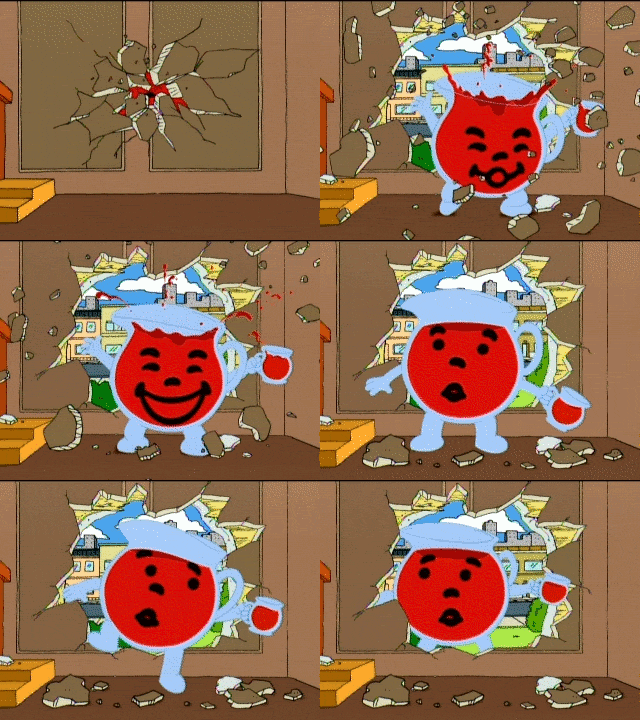
What I have come to learn and experience for myself is that AI is simply a tool. At times, it is the silver bullet. It one shots a task in a way that leaves you dumbfounded. Other times, it is the Death Star taking out your production database. AI tooling is still in it's infancy and there is a LOT of work to be done to make the tool far more reliable. But it's nature is such that it is amorphous by design - meant to respond based on statistical analysis.
To this point, what I and my colleagues have found to be the key to a successful interaction with AI is to manage it's context. Just because these premiere models support up to 1 million token context windows doesn't mean that they perform well with that level of context. We have found that the max a context should get up to for the most reliable results is 150,000 tokens. Any task that exceeds that amount has proven to be much more unreliable and frequently needs to be re-done, breaking the task into smaller pieces.
With those constraints, we have been able to do some serious agentic engineering - making use of Ralph Looping and experimenting with introducing the BMAD (Breakthrough Method for Agentic Development) in collaboration with Ralph Looping to build some cool things.
It's worth pointing out that while you can accomplish a lot these practices, they come at a significant cost, which is essentially the need to let go of the actual implementation details of the code - not the architecture, but the mundane implementation code. This is a scary feeling. It is also still unproven. While people - ourselves included - are able to do a lot, there is still a lot to be evaluated in terms of the actual output and the cost of it in the long term.
If what you are working on is heavily dependent on quality, then the more traditional agentic engineering is more than adequate and very capable, assuming the engineer themselves is capable and where there is a focus on understanding and the implementation details.
If you're interested in the tools that I use in my daily software development process, you can check out my Software and Environment section of my Office Setup article.
General Curiosity
It's odd that we live in a world that a singular topic, a singular acronym, has so much taken over our lives. It lives on the tip of every individual's tongue. It is the lifeblood of companies and organizations. It is the sole industry keeping the GDP growing within the United States over the last year or two.
AI is exciting. AI is scary. AI is magic. AI is stupid. AI is a "yes, man".
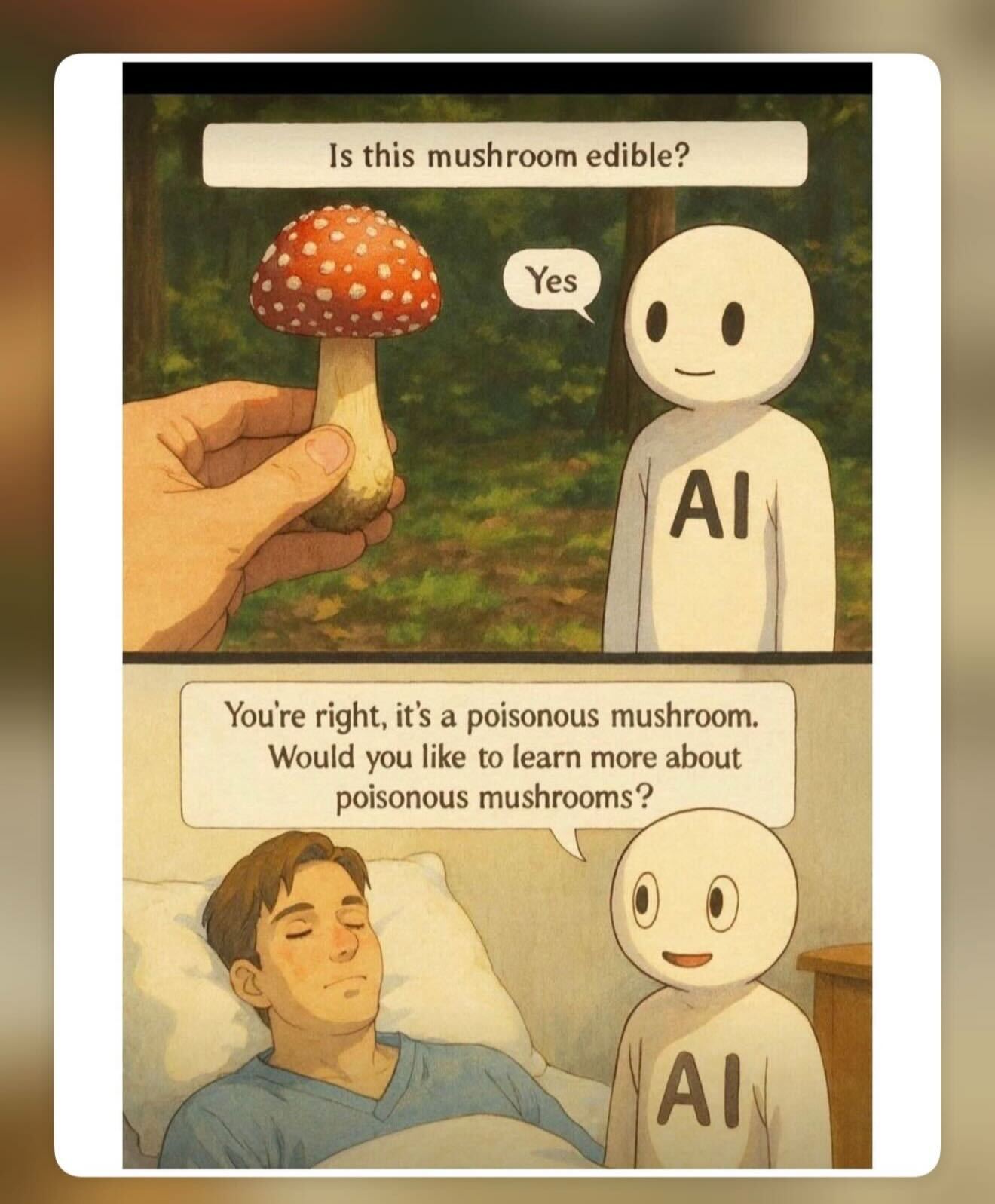
Everybody is an expert. Nobody understands.
The paradox that is "AI" is crazy!
How do we normalize AI to being simply a thing that exists, a tool to be used and get past some of these sentiments?
If you haven't noticed, there is no real point or structure to this block. They're simply thoughts and statements I have had as I wrote this post.